UN
https://www.un.org/development/desa/pd/
Demographic Profiles Population Pyramids 2025-20100
https://population.un.org/wpp/Graphs/DemographicProfiles/Pyramid/900
Probabilistic Projections Population https://population.un.org/wpp/Graphs/Probabilistic/POP/TOT/900
Probabilistic Projections Population Population Change
https://population.un.org/wpp/Graphs/900
Probabilistic Projections Total Fertility Rate
https://population.un.org/wpp/Graphs/900
World Population Prospects 2022
wpp2022_summary_of_results.pdf
I. A century of world population trends: 1950 to 2050
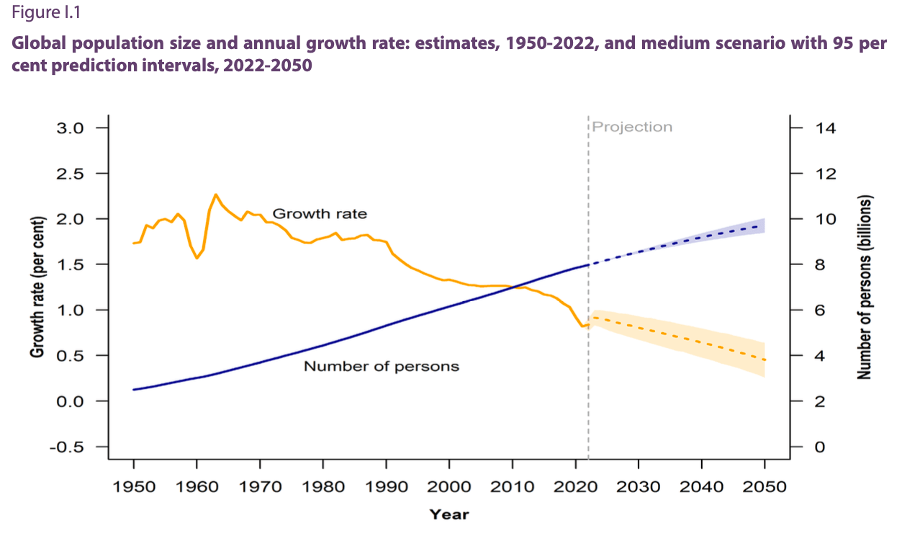
The growth rate decreasing from 1.25 to 0.5 billions persons in the next 30 years. The number of persons increase from 8 to 10 Millions from 2022 to 2050.
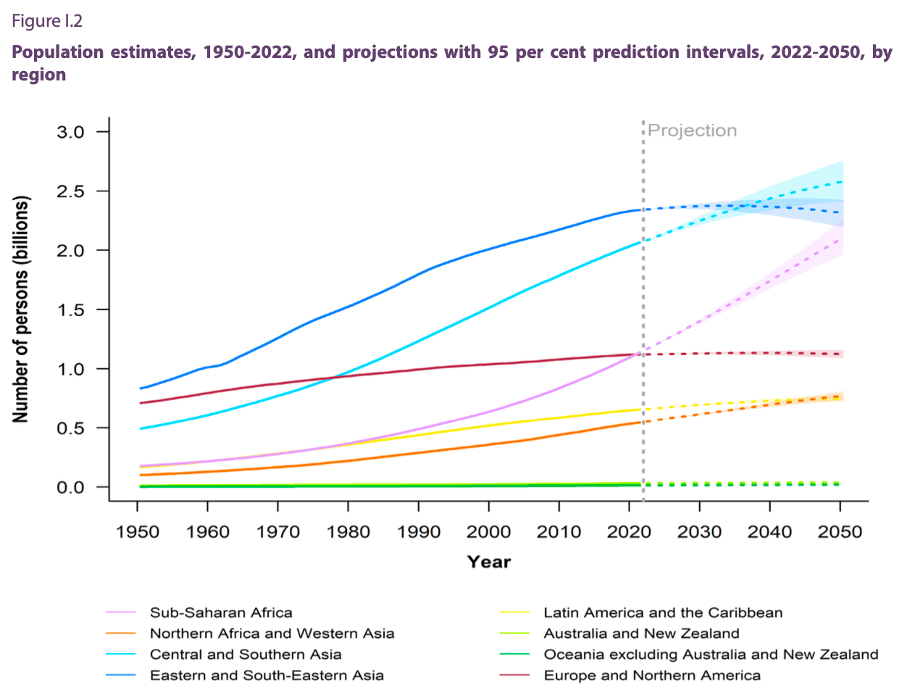
The populations will increase only in Central and South Asia and more in the sub-Saharan Africa.
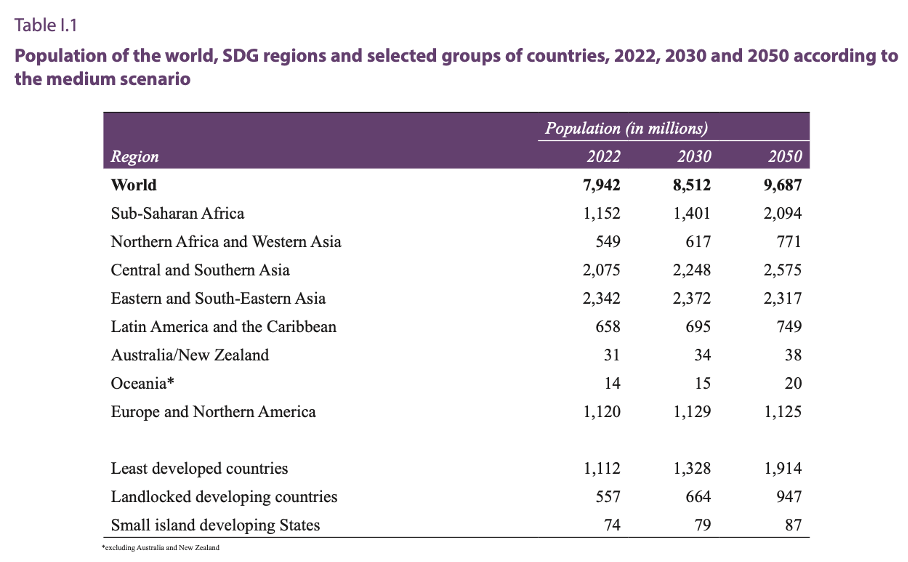
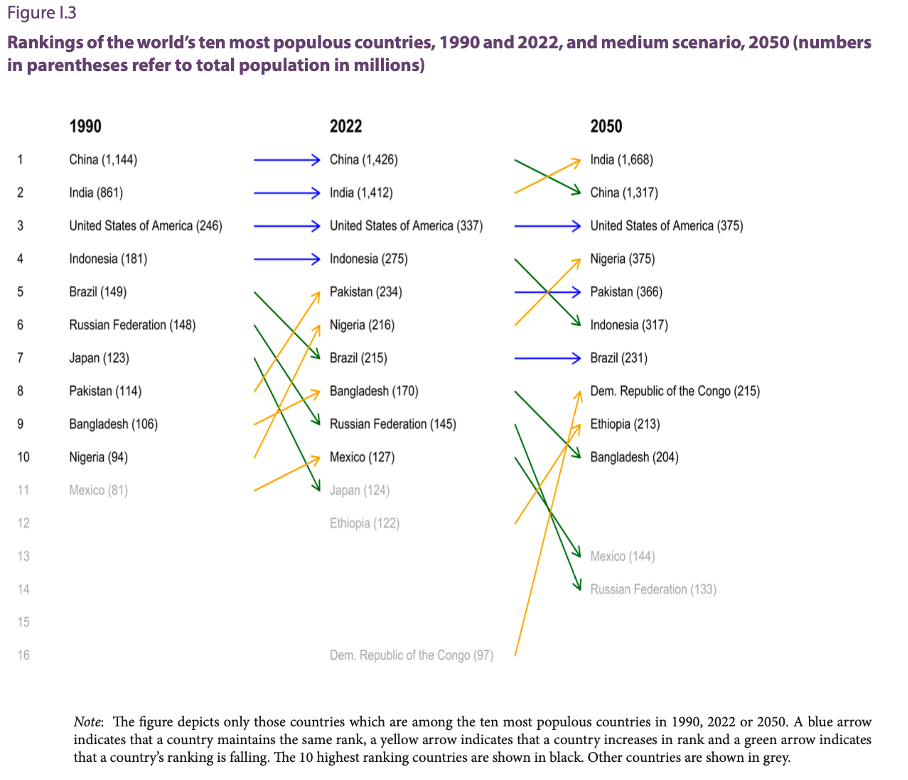
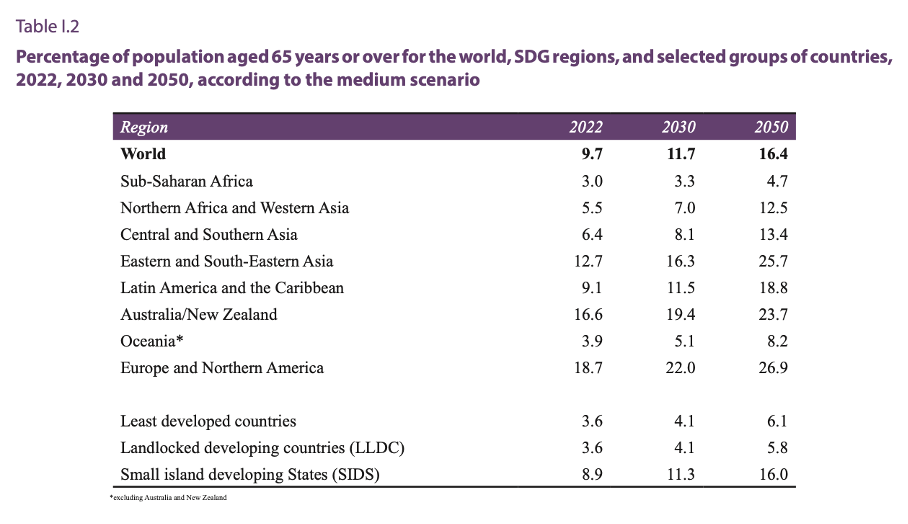
The population aged 65 years will double in the large part of the world by 2050.
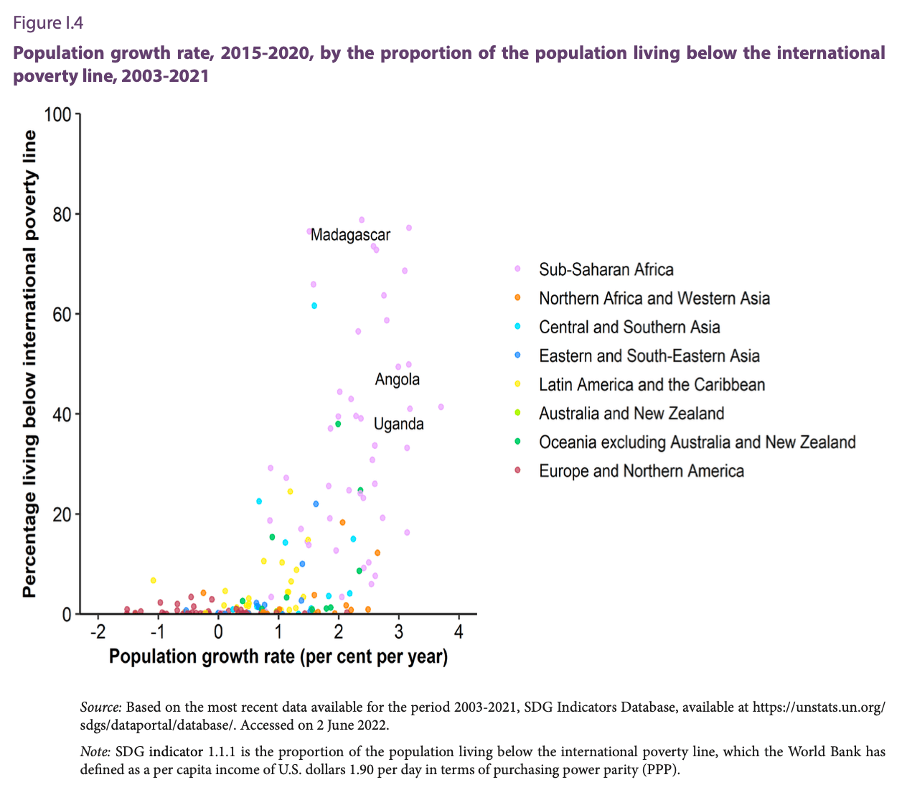
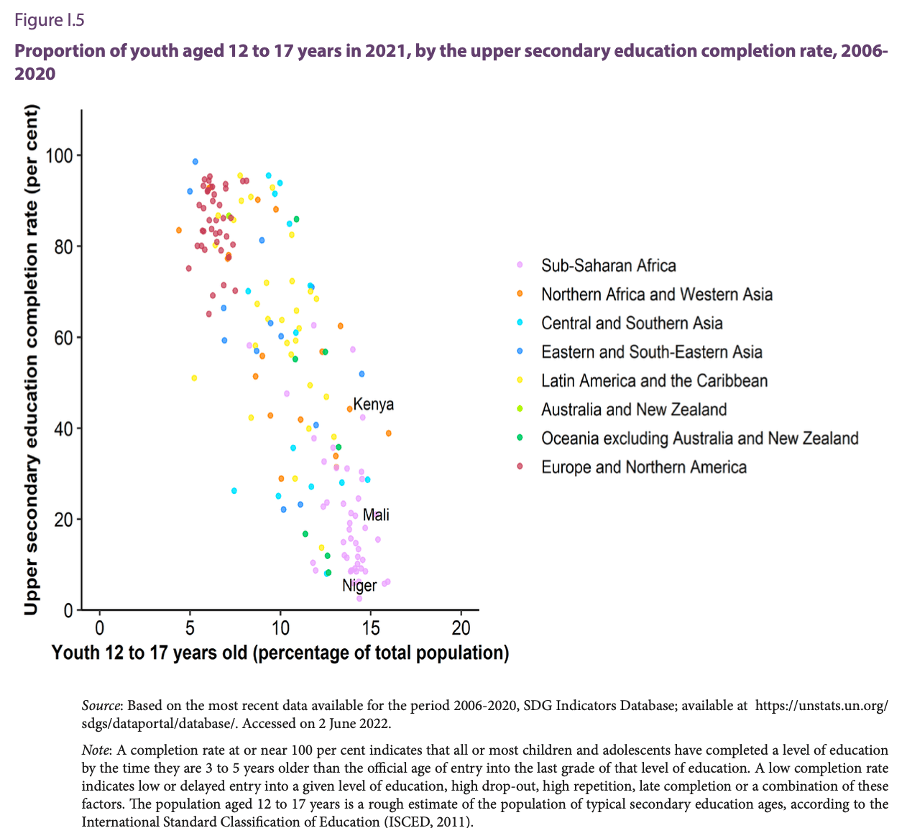
The poorest population and less educated youth is located in the South-Saharan Africa region.
II. Trends in fertility, mortality and international migration
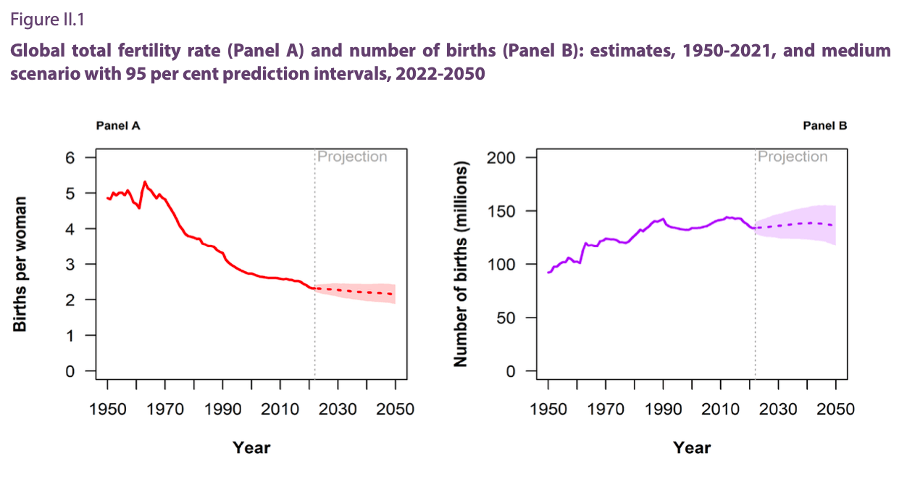
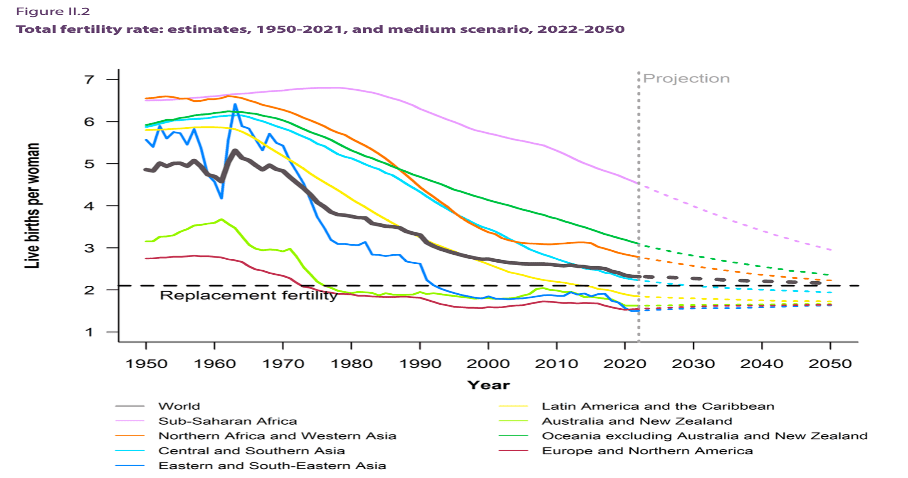
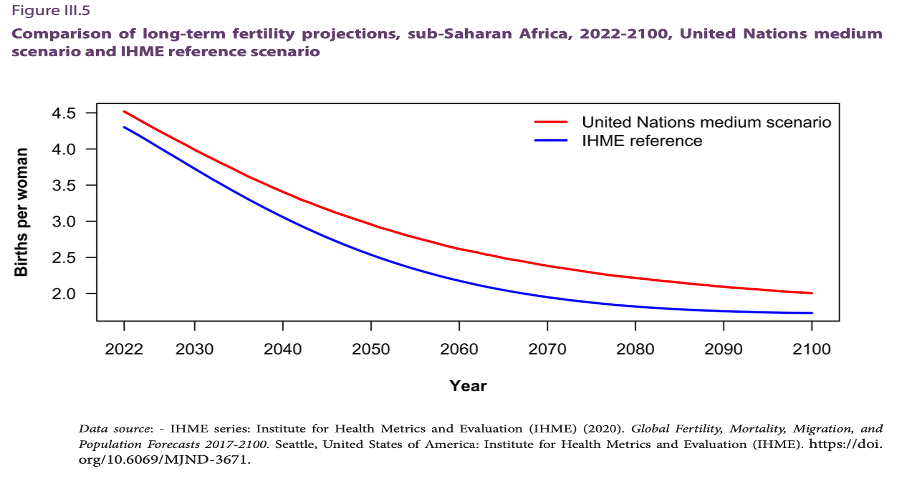
Fertility will decrease slightly and the number of births will stabilize. This process will be much slower in Sub-Saharan Africa and Central and South Asia.
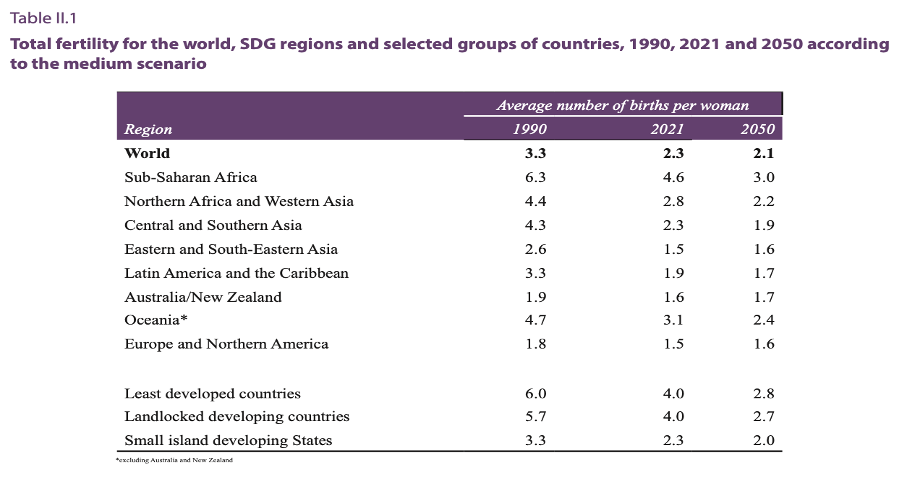
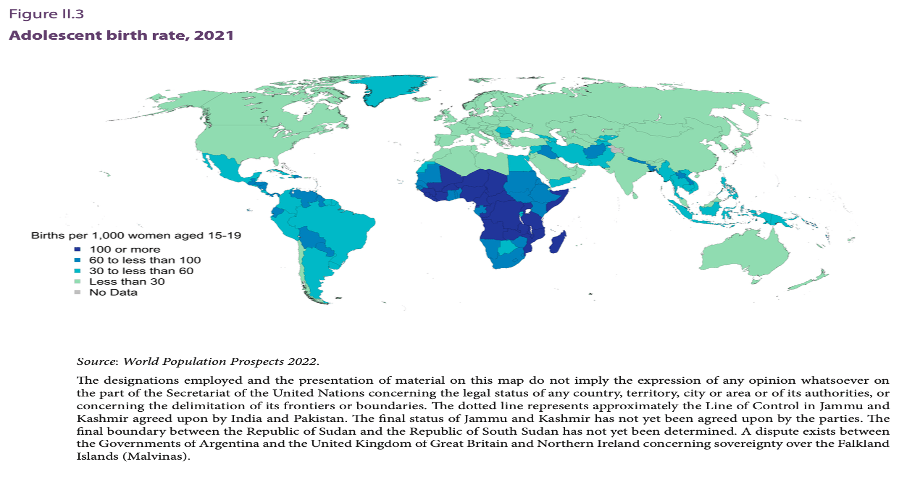
In 2021, the majority of children are born to women between the ages of 15 and 19 in Sub-Saharan Arica and Central Africa.
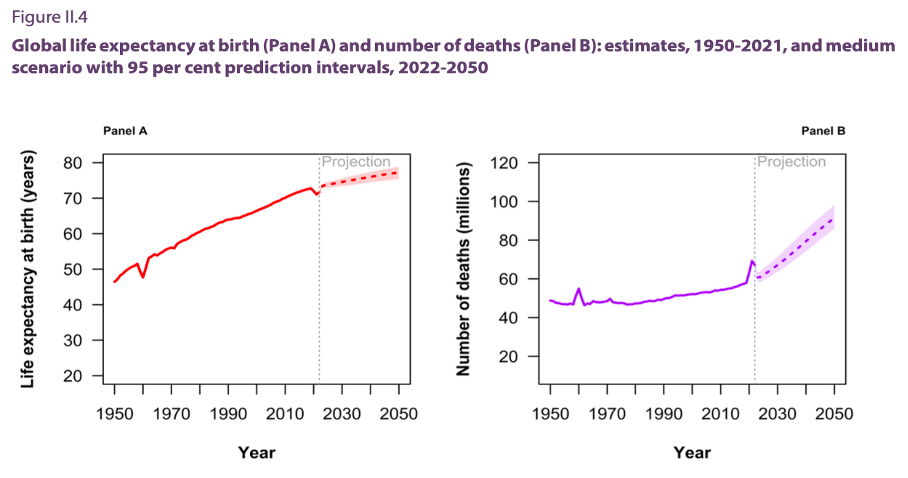
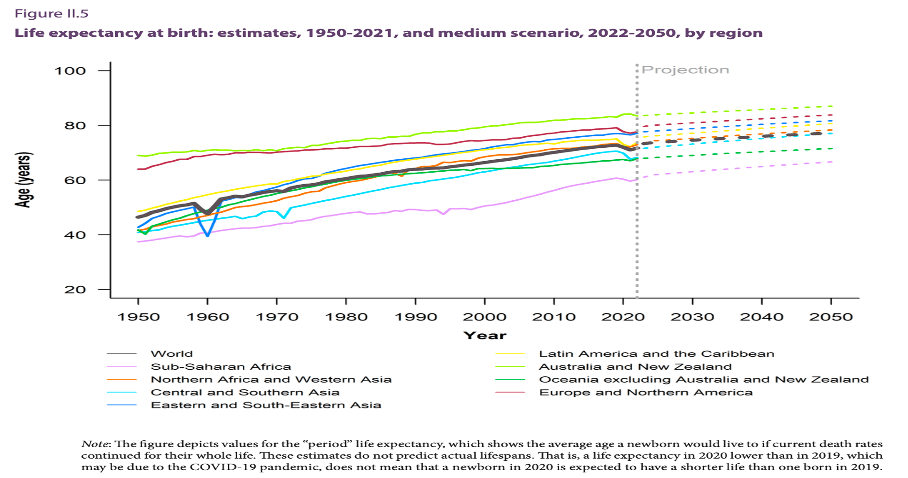
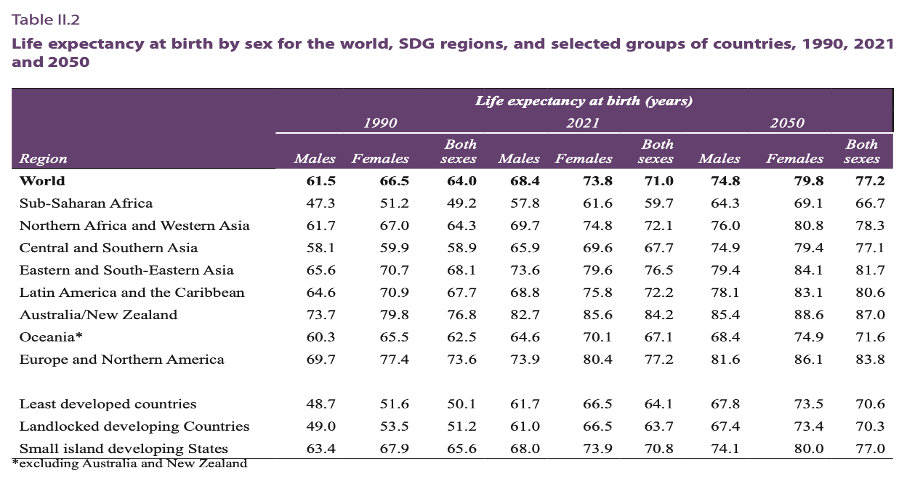
From 2022, life expectancy at birth will increase from 70 to about 78 years in 2050 while the number of deaths will grow from 60 to 95 million people per year in 2050.
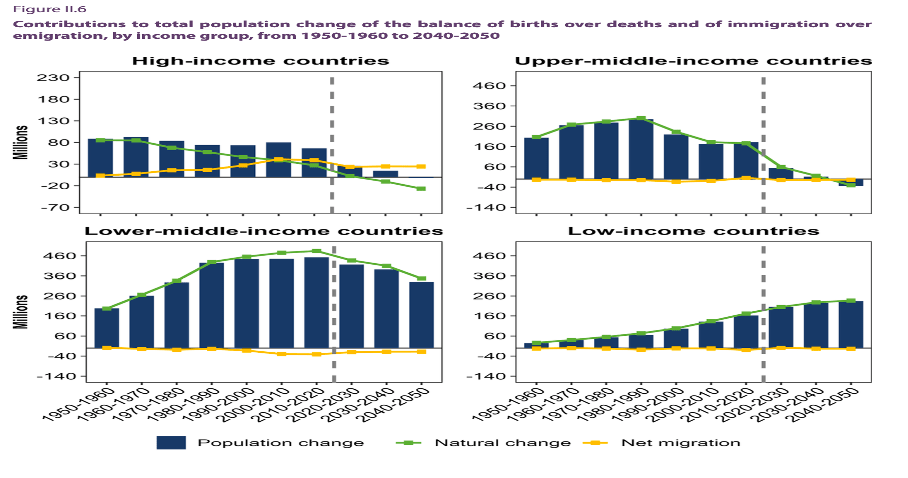
The population in high- and middle-high-income countries will decrease significantly while it will increase for low- and low-income countries. Immigration will increase in high-income countries.
III. Long-range population projections to 2100
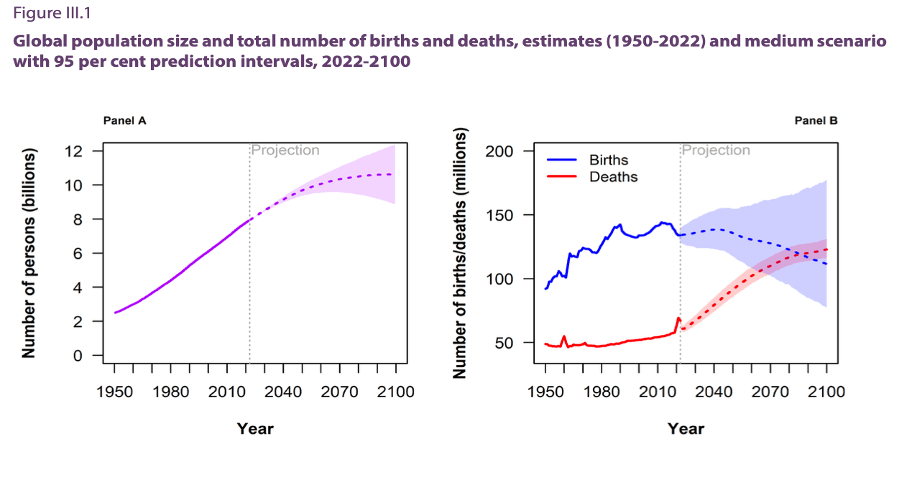
The world’s population will still gradually grow to just over 10 billion in 2010 while the crossing of the lines between deaths and births is expected to take place in 2090.
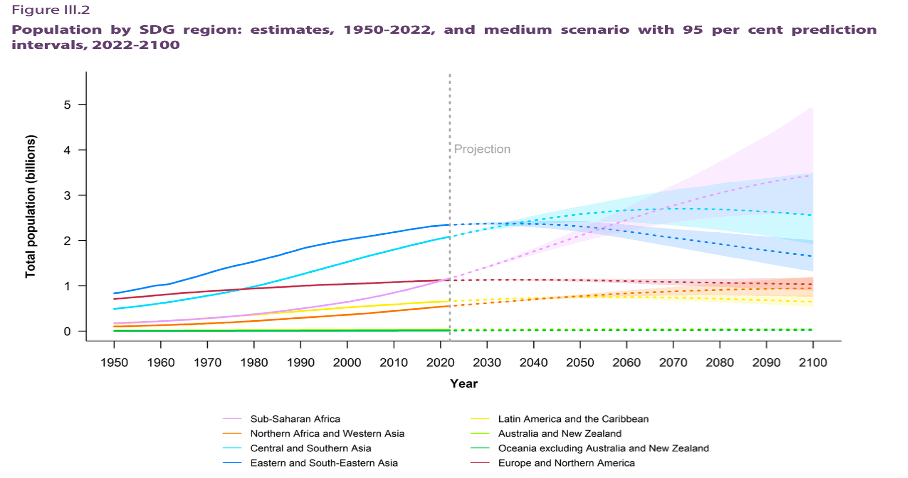
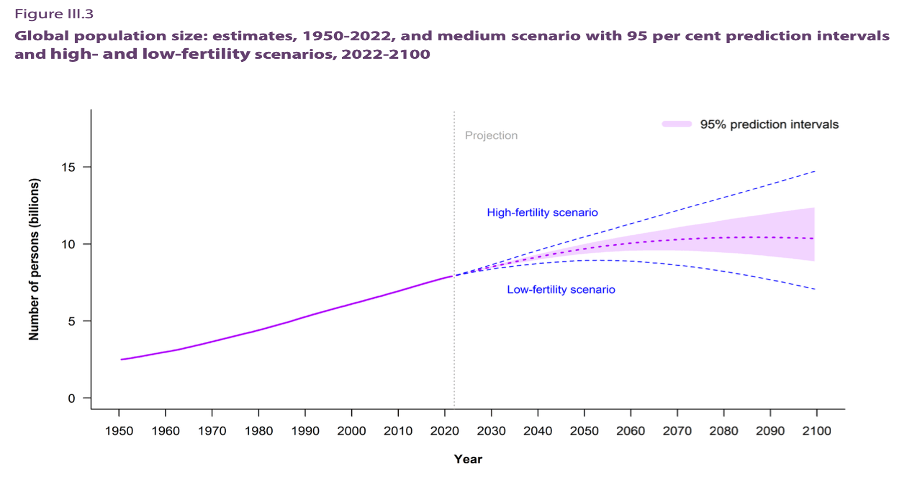
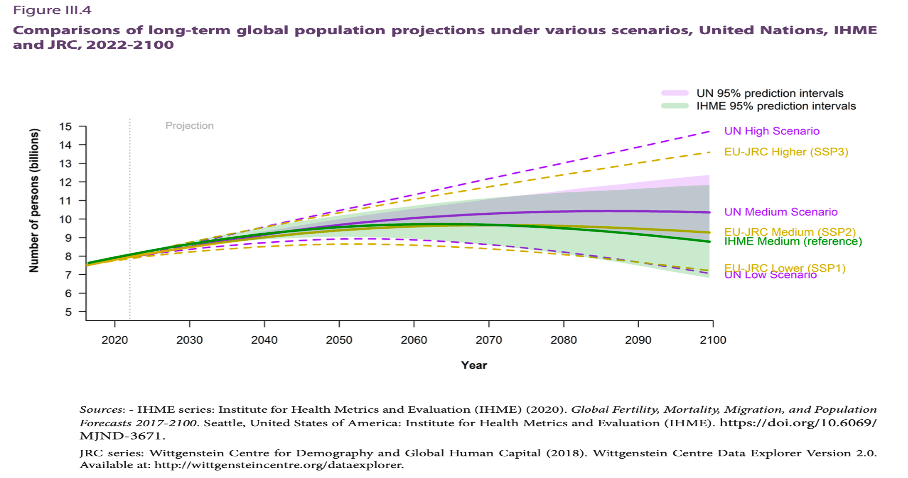
The average projections of the future population present a large margin of uncertainty. In 2010, with an average value of just over 10 billion inhabitants, it ranged from a minimum of 7 to a maximum of almost 15 billion inhabitants.
 A little science for everyone
Leave a comment