If there’s one thing that characterizes the extraordinary complexity of the human brain, it’s its ability to process information, generate thoughts, and nurture emotions. But what makes this incredible work of art of nature possible? The answer may surprise you: electromagnetic fields. Imagine the brain as a tangled web of millions of neurons, each with its own electromagnetic field. These fields are like tiny messengers that carry information through brain tissue, allowing neurons to communicate with each other in an intricate ballet of electrical and chemical signals. When a neuron transmits a signal to its neighbor, it does so by sending electromagnetic pulses along its long “arms,” called dendrites. These signals are uniquely encoded, thanks to the electromagnetic properties of the molecules that make up the neuron. And when the signal reaches the synapse, the point of contact between two neurons, it triggers a cascade of electromagnetic events that result in a response from the next neuron. But electromagnetic fields don’t just affect the transmission of neural signals. They also play a crucial role in neural plasticity, the brain’s ability to adapt and change in response to experience. When we learn something new or memorize a memory, molecules in our brains “tune” to new electromagnetic frequencies, creating new connections and reinforcing old memory traces. And what about emotions and feelings? They, too, are the result of electromagnetic fields dancing through our brains. When we experience happiness, love, or fear, it’s because the electromagnetic fields of molecules in our brains are creating unique patterns of neural activity, which in turn are reflected in our thoughts and actions. In conclusion, electromagnetic fields are the invisible glue that holds our brain tissue together. They are the hidden forces behind every thought, emotion, and action we take. And even if we can’t see or touch them, their impact on our lives is profound and priceless.
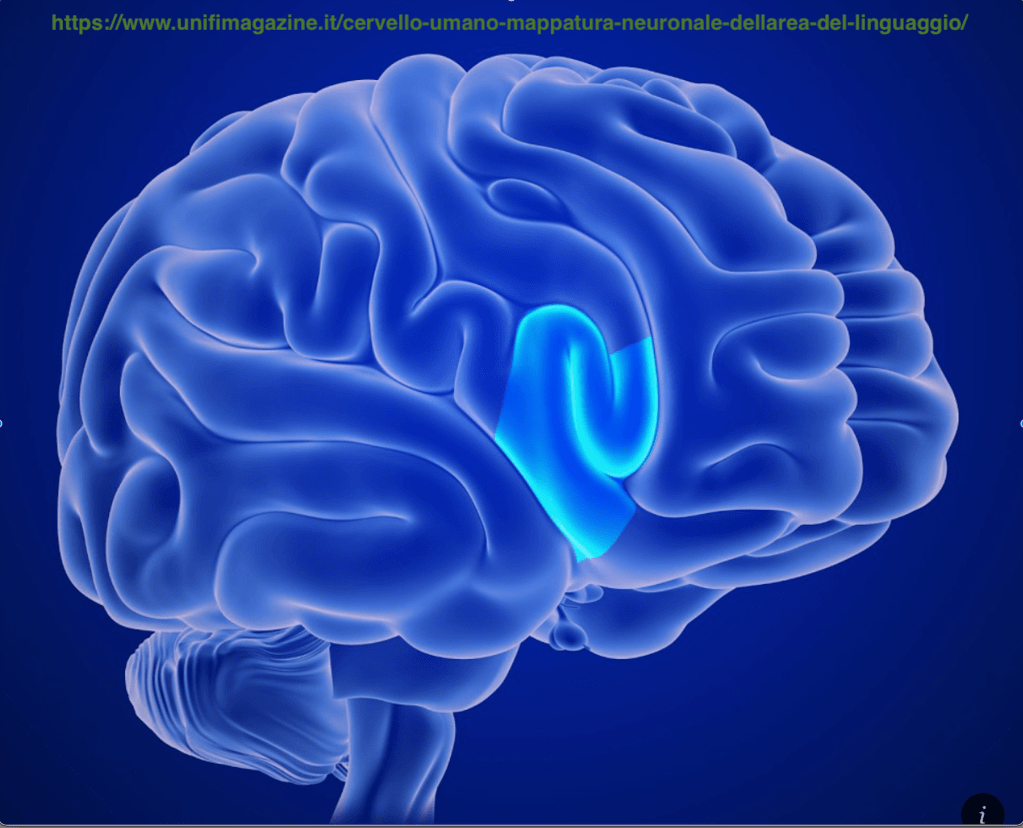
Electromagnetic Fields and the Functioning of the Brain
by
Tags:
 A little science for everyone
Leave a comment